Monthnotes January 2026


Hello friends! My name is Duncan, and this is a newsletter where I write up my recent creative input and output. Like many of you I'm cruising into the new year with a slight cold and a lot of plates spinning, so let's get straight into the good stuff. Quickly first, though, we can't skip the regular reminder that you're only getting this email because you signed up for it, and you can unsubscribe any time you like with the link in the footer.
Three main bits of news this month. News one is that my sonification studio, Loud Numbers, is going to be hosting a series of online workshops this year.
Our first workshop is on 20 March 2026, from 1300 to 1730 UTC (check what that is in your timezone here), and it's called "Create Your First Sonification". We'll take you through the process of creating your first sonification - from gathering the data, to mapping it to sonic parameters, to creating a short piece of music from it. It's a beginners course - you won't need any specific musical or technical skills, just a desire to create something and share it.
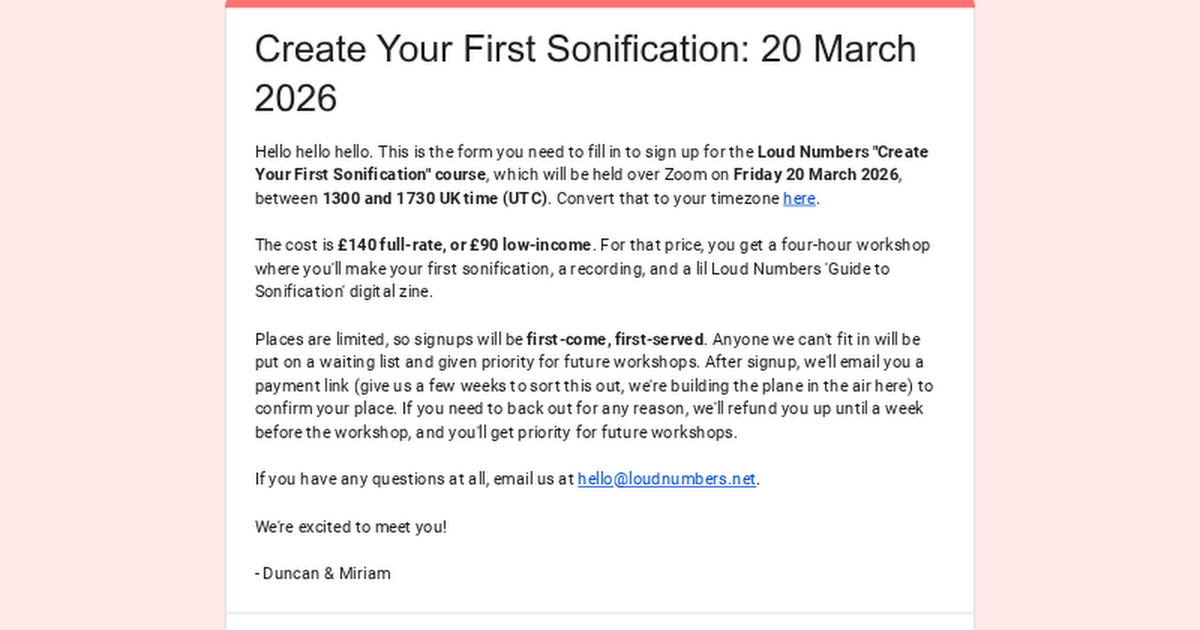
If that sounds fun, there's a signup form here. Later in the year, we're also planning some more advanced courses - future topics we're considering include "music theory for sonification", "storytelling for sonification", "sound design for sonification", and maybe even "sonification with live data". If you'd like to help us shape those workshops, or have something else you'd like us to give a workshop on, then fill out this survey. Otherwise, here's the link again to sign up for our 20 March workshop.
News two. Over the holidays, after waiting approximately four weeks for some actual sunlight, I managed to record a short video of the Sonification Machine project that I completed last year. It's about two and a half minutes long, and I'm quite happy with how it came out. Watch here.
News three! Tomorrow (as I write this) I'm hosting the first outward-facing showcase event of the Pixlar o Ljud meetup series that I've been organising in Malmö. We've got a kickass lineup with seven different pairings of music and visuals, hosted in Malmö's Hypnos Theatre. On the off chance that you're in town, you should come check it out. If not, enjoy the lovely poster we designed instead.
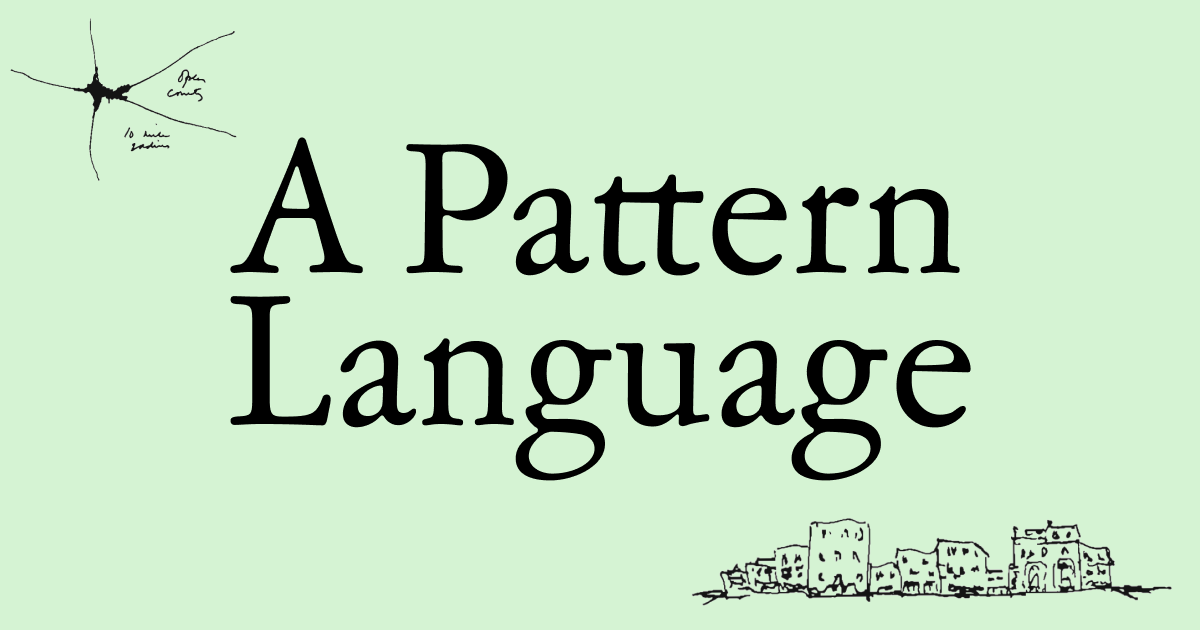
Long-time readers will know that I'm a total Pattern Language stan. Well, now you can be one too, thanks to this beauuuttifully-designed web version of the original book, created by product designer Jenn Scheer. It doesn’t have the full content, so you should still get the book, but it’s a wonderful summary of the most important content.

I've been getting more interested in working with radio as a sound source, and I've found two recently-published resources that have been particularly useful. The first is this post from gnd buzz, giving an overview of all the different forms of radio and how they can be used - with sound samples included.

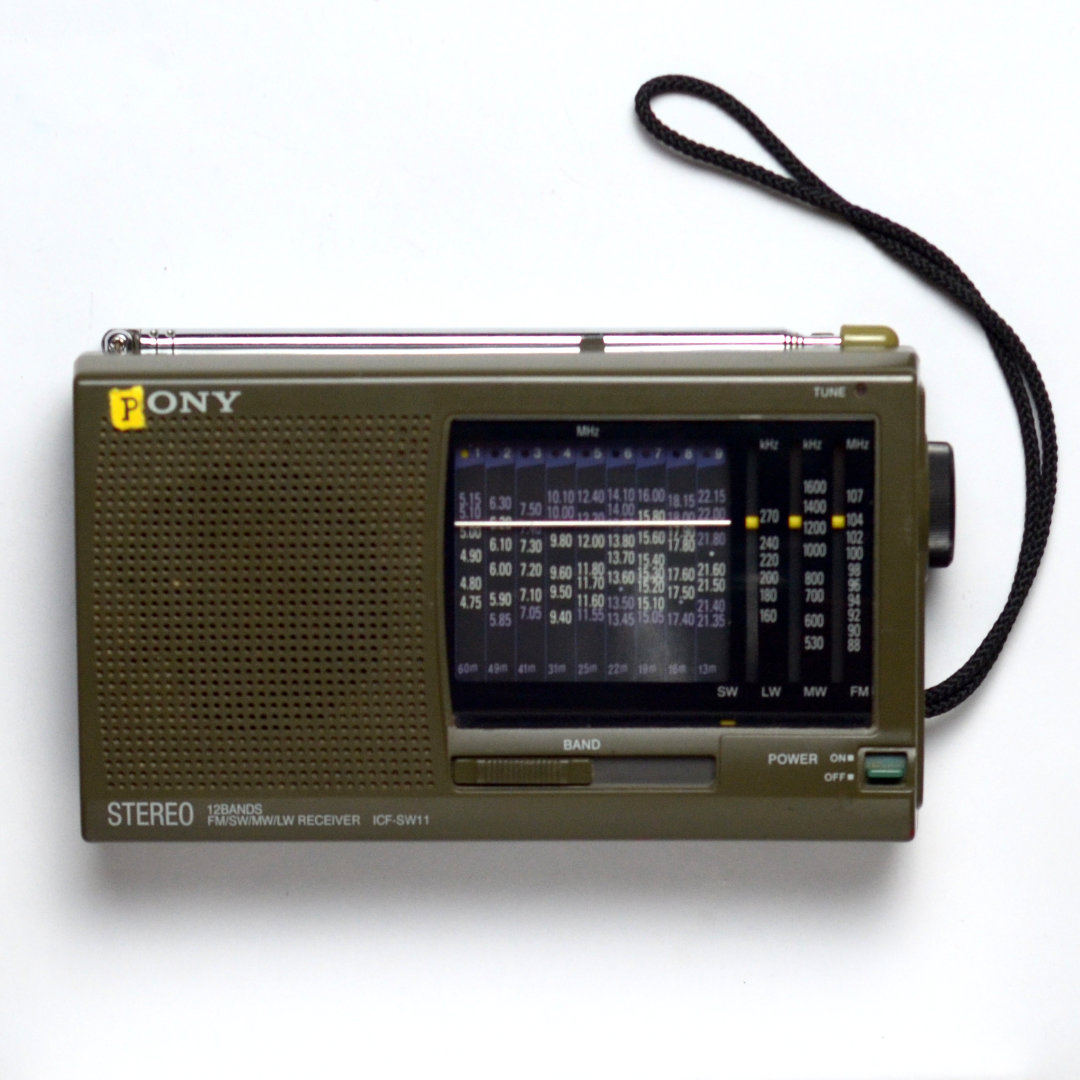
The second is a short interview with long-time radionaut Scanner, recorded as part of Tom Whitwell's Radio Music course (which I very much wish I could have attended). He talks about all the different ways you can use radio in live performance, and how it sometimes goes wrong. It's a real joy.
I'm in a musical R&D space right now, input and processing rather than output. But because I like "working with the garage door open", I was quite happy when my friend and collaborator Simon Rydén asked if I'd like to make a series of musical soundtracks for the daily experimentation he's doing for Genuary.
You can find the results at simondavidryden.me (though if you're reading this in the future then it may have moved - I'll try to remember to update this post, but shoot me an email if I forget). Each day has a nice generative visual and a music player. It's a great way to justify making time for little experiments, and combining gear in new ways. There's even some radio sampling in there, on day 10.
With my community-building hat on, it was lovely to see the release of the Open Social Network cookbook, a guide to building alternative spaces on the web. Here's a little snippet from the intro:
Building new online spaces, we began to realize, is something like throwing a potluck: you can set up some foundational components and invite your pick of guests, but ultimately, it’s all about what the community brings to the table.
 Adina Glickstein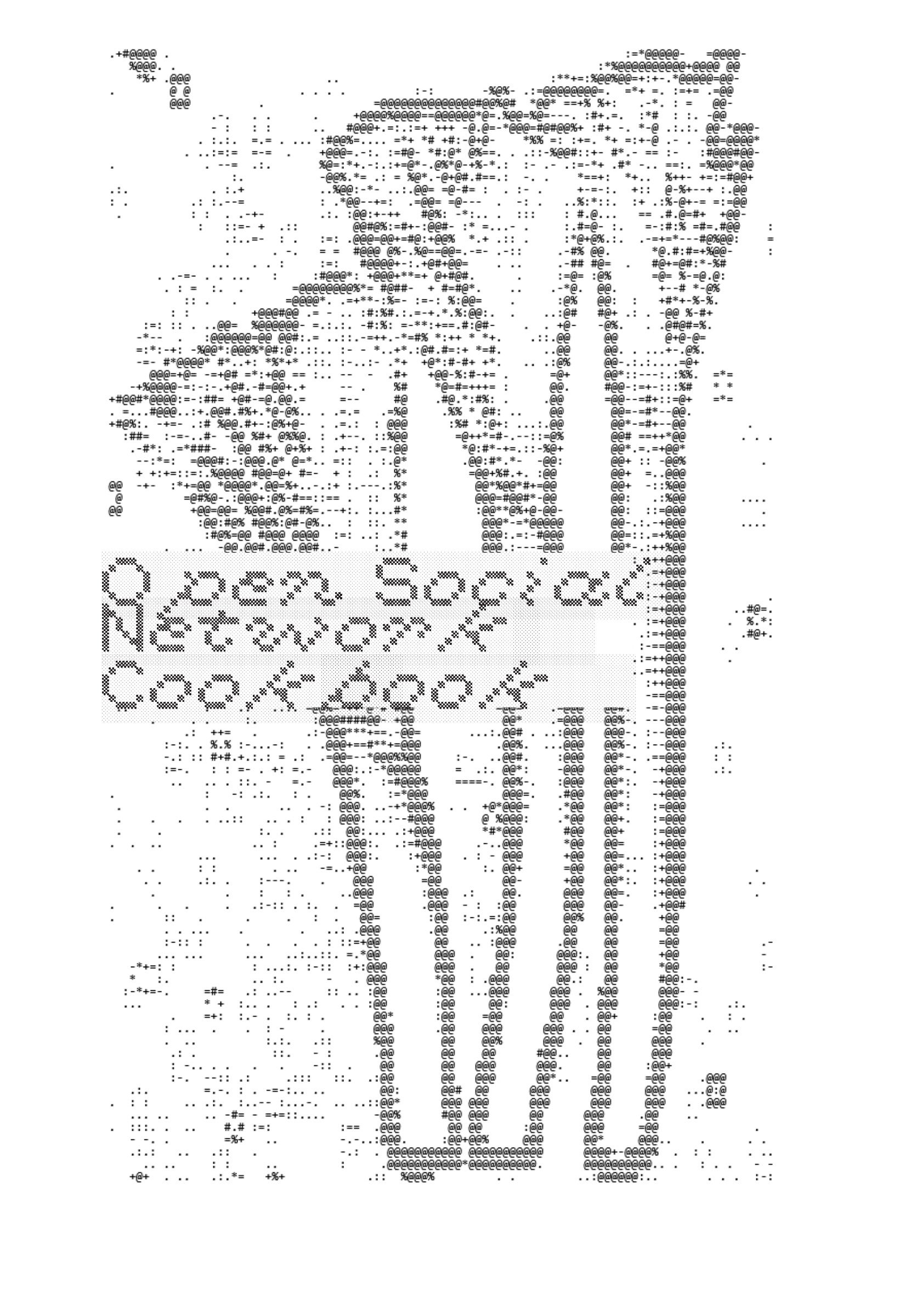
With the way gestures wildly at everything is going, I'm feeling like I want to accelerate my detachment from US technology companies. This is going to be a bit of a long section, so feel free to skip over it if you're not interested.
I successfully shifted over from Gmail to Proton Mail last summer, which has been going great. But I'm still in Google-land for docs and calendar, so I want to make some progress there. Proton offers both, so I'll experiment and see how it goes. It also offers a VPN, cloud storage, and a password manager, so I could swap away from NordVPN, Dropbox and 1Password, but putting all my eggs in one basket doesn't seem entirely wise, and of those only Dropbox is a US company (though 1Password does use Amazon Web Services).
I'm testing Kagi's (paid) search engine, and will see how it goes, though Kagi is still a US company. I wanted to self-host Whoogle, but that seems to be broken right now. Browser-wise I went back to Firefox from Arc last year, but FF seems to be more and more AI-centric, so I might need to switch again. I've heard good things about Vivaldi, and there's also Mullvad here in Sweden.
All my RSS and read-it-later stuff currently runs through Readwise, which is both a US company and stuffed full of AI crap by default, but you can turn the AI off and I'm broadly happy with the functionality, so I'll likely stick with that for now. Writing is mostly done in Obsidian, which is Canadian, but honestly it's just a Markdown interface and so I could swap it out any time really. My blog/newsletter is hosted by Ghost, which I'm super super happy with.
I'm more less entirely off social media these days, though I maintain a "broadcast-only" presence on Instagram and LinkedIn, moving any conversations off there as soon as possible. In theory I'm interested in Fediverse social media alternatives (such as those explored in the cookbook above), but not interested enough to put the effort into establishing a presence there.
For messaging, I try to use Signal as much as I can (and recently migrated a couple of family chats there from Telegram and Whatsapp) - and while Signal is admittedly US-based, I feel better about the fact it's a foundation and not a for-profit. Work stuff is still quite Slack-centric, but we moved the Loud Numbers Slack over to Matrix recently and have had no complaints - it works great - honestly, it works better than Slack did because we don't lose conversations after 90 days.
Services I'm struggling to replace are:
- Maps: OSM is great but it can't do what Google Maps does in terms of reviews etc, and I haven't found an interface for it that's even close to being a pleasure to use)
- Video calling: Google Meets is my default, Zoom isn't much better, Teams is so, so much worse)
- Design software: This is a big one for me, and one I'm quite uncomfortable about. I'm Figma all the way right now, with everything living in their platform, and while I own the Affinity suite it seems to be going in a very AI direction. GIMP is reliably awful every time I try it. I do want to play around with a self-hosted version of Penpot a bit more.
- Code and web hosting: I'm quite deep in the Netlify and Github combo, and I've not found anything that's quite as easy as that.
- Music streaming: Apple is my default right now, with YouTube as a backup - I will never go back to Spotify despite it being not US. I do use Bandcamp a lot, but that's a US company, and I'm low-key shifting back towards self-hosting my own (much-diminished) MP3 collection as a streaming service.
- Translation: Google does it best, and all the alternatives are AI-based, like DeepL, so there's not really anywhere to go here.
- Games: Steam is so much better than everything else, and all of my catalogue is there, so there's no other realistic option here either, as lovely as GOG and Itch.io are.
- Hardware: I'm full Apple, and while I'm sniffing at Linux laptops and will likely experiment a bit in the near future, I'm nowhere near ready to move wholesale yet.
I'm quite interested in NextCloud, which is primarily a Dropbox alternative but also does calendars, mail, office and video calls. Crucially it can be self-hosted, but entrusting such important services to my own sysadmin skills is not something I'm comfortable doing yet. I'll try to experiment with it a bit this year.
If any of you are on a similar journey, I'd love to hear from you about what you've been finding works well - especially if there are any alternatives in the "hard to replace" category above that you're aware of that I haven't mentioned.
If you're wanting to get started shifting off US tech, then much of my inspiration on all of this has been Canadian tech journalist Paris Marx, who has written a whole guide to doing this, which I can broadly recommend (along with his newsletter).
 Paris Marx
Okay, that's enough for today I think. Between now and the next time you hear from me, I'll be running the aforementioned event, getting a zine riso printed, finishing off my genuary sketches, digging out the pen plotter for the first time in a while, and indulging my new love of bouldering (yes, I have joined the cult). See you in mid-February, when the skies will be lighter (not necessarily metaphorically).
xoxox
Duncan